
Blood Glucose, Control, Metabolism and Nutrition
Blood Glucose
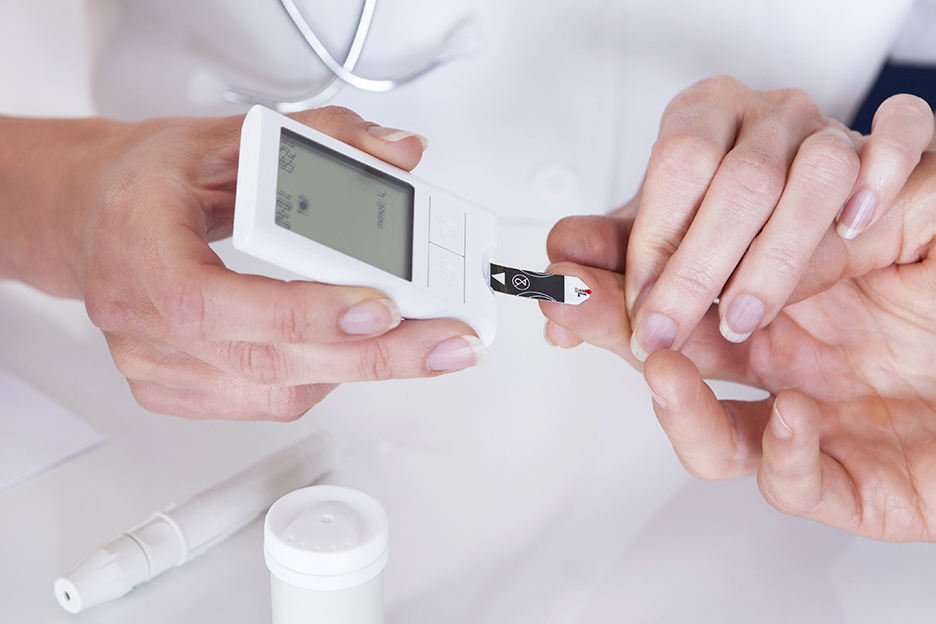
Glycemic levels are the cornerstone of NMT in diabetic patients.These values are used to coordinate the patient’s management plan, achieve the objectives of the TMN.Evaluate the effectiveness of the meal plan and increase the possibilities of food selection.
Consumption and dietary pattern should be correlated with information from blood glucose monitoring records.In order to make recommendations that facilitate management and adherence to treatment.
The health team must establish, together with the patient, a target blood glucose level.It is important to keep in mind that high blood glucose levels are not always due to indiscretions in food.
Some reasons may be: infection, change in exercise or incorrect medication.If it is due to diet, the necessary changes must be made to achieve the established blood glucose levels.
People with type 1 diabetes are dependent on insulin throughout their lives. .Purified human recombinant insulin is currently the most recommended.
Sometimes insulin administration is necessary for patients with type 2 diabetes mellitus, when meal planning, exercise, etc. changes in lifestyle and oral hypoglycemic agents (OH) are not sufficient to obtain adequate glycemic control.
The nutrition professional must evaluate the action of insulin in relation to with diet, habits and monitoring of blood glucose levels.
Its properties, source, action, concentration, onset, peak and duration must also be taken into account. of the effects.
People who have diabetes 2 manage to control their disease with oral hypoglycemic agents
It is estimated that more than half of people who have diabetes 2 manage to control their disease with oral hypoglycemic agents, which are indicated only in patients who continue to produce endogenous insulin.
There are five classes of HO: suphonylureas, meglitinides, biguanides, thiazolidinediones and alpha-glucosidase inhibitors , which have different mechanisms of action.
Selection is based on duration, dose range, the person’s metabolism, and potential side effects.
Patients receiving HO should be educated about possible side effects such as hypoglycemia, gastrointestinal discomfort, and in some cases alcohol intolerance.(21,27,28) When a hypoglycemic medication is required, there are different available insulin and HO options, which must be selected according to the patient, the type of activity they have and the behavioral modifications.
The nutrition professional must perform the nutritional evaluation of the patient. patient, know the type of insulin or oral hypoglycemic agents they receive, the exercise they practice, and incorporate all this information into the nutritional self-care educational program.
Nutritional Supplements
NMT, as mentioned above, can be performed through specific nutritional recommendations for the patient and/or the addition of nutritional supplements, which are designed to provide high-quality nutrition and minimize the postprandial response to glucose, in a controlled manner, based on the relationship between portion and calories.
There are systematic reviews and meta-analyses of studies clinical studies that show that the use of nutritional supplements, especially created for diabetics, significantly reduce postprandial glycemic levels and are below the glycemic curve.
Moreover, when They are used to methodically replace a meal in structured interventions, they help both treatment adherence and weight reduction in patients with type 2 diabetes.
There are several clinical studies that demonstrate the benefits of TNM.
Elia, et al(33) carried out a systematic study with 19 randomized clinical trials (RCT), three controlled clinical trials (CCT) and one clinical trial (CT), whose objective was to determine the benefits of nutritional support in patients with type 1 and 2 diabetes.
To achieve this goal, 23 studies were reviewed with a total of 784 patients, of which 16 studies had received supplementation oral and 7 received enteral nutrition by tube.
Diabetes-specific formulas (SDF) were compared with standard formulas (SF) and it was found that when SDF were used compared to FE administered as supplements orally or as enteral feeding by tube, the FED consistently showed: lower postprandial elevations in blood glucose, fewer peaks in glucose concentrations, blood glucose levels below the curve, and lower insulin requirements (71% less).
Additionally, there were no cases of hypoglycemia.For example, an important energy content in the form of monounsaturated fatty acids, a lower carbohydrate content but also with additions of fructose and fiber that delay the absorption of CHO and reduce the glycemic response.
(Read Also: Diabetes and bariatric surgery )
Look AHEAD Study
A study of great importance is Look AHEAD,(35) also called Action for Health in Diabetes, a multicenter, randomized and controlled study of 5,145 patients with type 2 diabetes, between 45 and 74 years old, with a Body Mass Index ( BMI) greater than 25 kg/m2.
The objective of this study was to determine the outcome of intentional weight loss on subsequent cardiovascular disease events in patients with type 2 diabetes.
One group underwent an intensive lifestyle intervention (ILI) consisting of both individual and group meetings, with the goal of achieving and maintaining weight loss through of a decrease in caloric intake and increase in physical activity.
Comparatively, the other group received diabetes support and education (DSE).
In the first year it was found that patients assigned to the ILI lost an average of 8.6% of their initial weight vs.DSE 0.7% (p < 0.001).Physical condition increased in the ILI by 20.9 vs.5.8% in the DSE (p < 0.001).A greater proportion of patients belonging to the ILI presented reductions in the number of medications used both to manage their diabetes and to reduce blood lipids and blood pressure, hypertension and in the number of medications.The average HbA1C decreased from 7.3% to 6.6% in the ILI group (p < 0.001) vs.7.3% to 7.2% in the DSE.Diastolic and systolic pressure, triglycerides, HDL, cholesterol and albuminuria-creatinine ratio improved significantly in ILI vs.DSE (p < 0.01).
In the first year, patients with type 2 diabetes, belonging to the ILI group, showed a significant weight reduction associated with better diabetes control, a lower CV risk and a decrease in the number of medications when compared to the DSE group (all p < 0.01).
Look AHEAD(36) is the first study that reviews a such a long period (four years) a significant number of overweight or obese patients who present type 2 diabetes and the effects of an intensive lifestyle intervention.
The following results were found:
On average, across the four years ILI produced greater weight loss than DSE participants (6.15% vs. -0.88%; p < .001), better physical condition (12.74% vs. 1.96%; p < .001)) better HbA1C levels (-0.36% vs. -0.09%; p < 0.01), better systolic pressure (-5, 33 vs. -2.97 mmHg; p < .001) and diastolic (-2.92 vs. -2.48 mmHg; p =.01), HDL-C levels (3.67 vs.1.97 mg/dL;p < .001) and triglycerides (-25.56 vs. -19.75 mg/dL; p < .001).LDL-C levels decreased consistently during the four years of follow-up, in both groups.However, they were lower in the DSE group, apparently due to the greater use of medications compared to the ILI (-11.27 vs. -12.84 mg/dL; p = .009).However, the critical question in this regard is whether these differences in CV risk factors between the two groups will translate into differences in the development of CV disease.
Voss, et al(37) conducted a study comparing two different formulas in their carbohydrate composition with respect to another standard formula.
The objective of this study was to evaluate the responses of blood glucose, insulin, and insulin-like peptide levels. glucagon type 1 (GLP-1) in patients with type 2 diabetes mellitus.
Three formulas were evaluated, two specific formulas for diabetics, one with slowly digestible CHO (SDC ), another only with a decrease in the amount of CHO (DSF) and the third was a standard formula (STND) indicated for patients without diabetes.48 patients were studied who were controlled with diet and/or hypoglycemic medications, who received 500 kcal of the formulas: SDC, DSF and STND.
These patients had their postprandial glucose measured on three occasions. , insulin and GLP-1, after an overnight period of starvation, in a double-blind, randomized, crossover, three-treatment study.
It was found that the two diabetic formulas resulted in lower postprandial glycemia levels when compared to the standard formula.
That formula with slow absorption CHO, omega 3 and monounsaturated fatty acids produced significantly lower glycemia and insulin levels (p < 0.001). and higher levels of GLP-1 (p < 0.05), with the presence of significantly lower insulin concentrations.They were divided into two groups: the Reference Group (GR) and the Intervention Group (IG).The GR (n=50) received diabetes education including instructions on diet and physical activity.
The IG (n=100) received an intensive intervention that included diabetes education with frequent monitoring of the glycemic levels.
Nutritional recommendations that included meal plans with special nutritional supplements for diabetics as a meal replacement and weekly follow-up with study staff.The most important evaluations were carried out at baseline and after 12 and 24 weeks of starting the study.
The results showed that in the IG the levels of fasting blood glucose, insulin and blood pressure were better. systolic and diastolic blood pressure compared to the GR (p < 0.05).
Importantly, HbA1c levels were lower (p < 0.001) in the GI at both 12 and 12 p.m. 24 weeks.
The weight change was modest but significant between the two groups (p < 0.05), being less in the IG than in the GR.Likewise, the waist and hip circumferences, as well as their relationship, were lower in the GI than in the GR.This study demonstrated that in Chinese male and female patients with type 2 diabetes mellitus who followed a structured intervention program, both diet and education played an important role in achieving and maintaining better metabolic control, represented by better glycemic control and with better markers of cardiovascular health.
Formula with high nutritional value in weight loss in patients with type 2 diabetes mellitus
Tatti, et al(44) studied the effect of a formula with high nutritional value on weight loss in patients with type 2 diabetes mellitus.
The study was carried out in 96 obese patients (BMI of 33-44 kg/m2).They were all summoned every fifteen days and underwent a series of interventions with the unit’s doctor and nutritionist.
These interventions consisted of group discussions, thirty minutes of nutritional education, a short period of walking with pedometer and medical supervision, weight control sessions and analysis of the reasons for success or failure.
They were prescribed a low-calorie diet of 60% of the daily nutritional requirements, 20% distributed for breakfast. and 40% in the other two meals.
Data were taken at the beginning of the study and subsequently at 3 and 6 months.
All patients kept records of the figures obtained by carrying out 3 to 5 self-monitoring of blood glucose levels per day.After the first three months of observation (phase 1), phase 2 began, in which the patients' caloric requirements were calculated again.At this time, 18 patients exited the study, as they did not attend three or more appointments.
Of the remaining 78 patients, 40 obtained a weight loss > 5% compared to their initial weight and they were called G-.
The other 38 patients, who presented a weight reduction < 5%, were called G+.To this group of patients, in addition to the hypocaloric regimen, a nutritional supplement specifically designed for diabetics (206 kcal) was added as a meal replacement.
The standard deviation of the blood samples (self-control) were reduced by 50% in the G+ group but did not change in the G- group.(45) This is evidence of the consistent reduction in blood glucose variability.
However, the evaluation of the results at the end of phase 2 for G- vs.G+ was of limited statistical significance because the study was not randomized.
Among the most important points to highlight from the study are:
Patients who are resistant to lose weight by the traditional method, they can be successful when they add nutritional supplements as a replacement for some of their meals.
The group of patients who consumed the nutritional supplement as a replacement for some of their meals presented a greater reduction in the values of HbA1c, cholesterol, triglycerides, HDL and blood pressure.
The use of this type of nutritional supplement is an attractive option for the management of overweight patients who require a prolonged period to achieve weight loss.
Nutritional supplements for diabetics are designed to provide controlled quality nutrition with a controlled calorie/serving ratio and additionally minimize the postprandial glycemic response.
The high fiber content that also presents a slow absorption of carbohydrates contributes to a greater feeling of satiety, facilitating compliance with the diet to obtain weight reduction.
Formula low-carbohydrate formula for administration by tube with constant monitoring of blood glucose values
Mori, et al(46) conducted a study on the effects of a low-carbohydrate formula for administration by tube with constant monitoring of blood glucose values. glycemia.They received two types of formulas, one specific for diabetics and another standard.Each patient served as their own control and underwent continuous glucose monitoring.
The 10 patients who received specific enteral nutrition for diabetics by tube had significantly lower average blood glucose values than the fed patients. with the standard formula (123.2 ± 38.3 vs. 143.7 ± 58.1 mg/dL; p < 0.01).
The percentage of hyperglycemia was significantly lower when the Patients were fed with the specific formula for diabetics vs.the standard (16.8 ± 31.5% vs. 37.9 ± 33.0%; p < 0.05);hypoglycemia is rarely observed.The amplitude of the glucose curve was significantly reduced (p < 0.01) in the specific formula for diabetics versus the standard one, as was the variation of glucose during the 24 hours (p ≤ 0.05).
The study concludes that a special formula for diabetics can improve both postprandial and starvation blood glucose levels and alleviate glucose variations.
Therefore, it may be useful for diabetic patients requiring enteral nutrition by tube.Especially when it is known that even when there is a caloric equivalent between liquid and solid food, liquid food is absorbed faster than solid food.(47)
Specialized Enteral Formulas
Diabetic patients requiring enteral nutrition by tube should be managed by selecting enteral formulas that meet the same characteristics as oral feeding.
Calorie distribution should try to maintain the caloric profile required by a diabetic patient.In order to control glycemic values and maintain them in a range between 100 and 200 mg/dL.(48) Standard formulas that provide CHO caloric contents between 30% and 40% of the VCT in the form of easily accessible CHO should be avoided. absorption (sucrose).A mixture of fat that reduces cardiovascular risk and assessing protein needs, depending on kidney function.
Even specialized enteral formulas for diabetics are much better tolerated in hospitalized patients with enteral nutrition by probe.Because the decrease in sucrose content favors gastrointestinal tolerance and reduces flatulence.
It should be taken into account that diabetes mellitus can affect the function of the gastrointestinal tract, characterized by delayed emptying gastric.Gastroparesis is more frequently observed in type 1 diabetes and is related to dysmotility not only of the stomach but also of the small intestine.
Diabetic enteropathy
Among the most common manifestations Common symptoms of diabetic enteropathy are heartburn, nausea, early fullness, postprandial vomiting (with partially digested food), and epigastric pain.
It is important to accurately diagnose diabetic gastroparesis in order to avoid confusion. with gastrointestinal symptoms secondary to tube feeding or other factors capable of producing alterations in gastrointestinal motility, such as some medications.
Patients with gastroparesis tolerate the formula when a jejunostomy with isosmolar formulas.Continuous drip and starting with low infusion rates (20 mL/h) and slow increases (every 12 hours between 10 to 20 mL/h).(49)
.



Leave a Comment