
Genetic Heritage and Collective Human Rights
Ascensión Cambrón**
* Adapted from: FJ Ansuátegui (Edt.).A discussion on
Collective Human Rights.“Bartolomé de las Casas” Human Rights Institute.
Carlos III University of Madrid, 2002. With authorization of the Author.
** Lawyer.Full professor at the University of La Coruña – Spain.
ascain@udc.es
Object of the Research
Any treatment of collective human rights has to take into account its discursive dimension, which involves considering linguistic, epistemological and theoretical issues;But if the aim is to go beyond the mere academic exercise, then the treatment must contemplate, more or less mediately, the specific historical and social dimension in which said collective rights must be vindicated;that is, also their political dimension.This meta-perspective seems fundamental to me to deal with the issue of “rights” if those who practice legal philosophy are committed to the discourse they make.That is to say, the discourse on human rights demands from the legal philosopher not only the necessary demands to make a consistent theoretical discourse, but also the commitment to make his theory applicable, overcoming the equivocal discourse of “natural law of effectiveness”.(1) And so that I am not misunderstood – I am not insinuating that the legal philosopher should take the kalasnikof – I only want to say that his contribution must go from the foundation of these “rights” to the identification of the legal guarantees necessary for their protection, if any. These are possible.
This way characterized by the company -of and by “rights”- this reflection immediately manifests an inalienable and difficult objective;The first, because we consider that today, in a globalized world, more than ever there are collective interests at stake that, if they are not made explicit and defended, will represent another step in the devirtualization of individual rights;or what is the same: the sense of “human dignity” will be completely denatured.And it is difficult, in my modest opinion, because substantiating and vindicating this meaning of rights presupposes maintaining some type of ideality, materially possible, for the human collective;This has to overcome in some sense the existing dichotomy between “individualism” and “communitarianism”.Only from a determined and presupposed ideality, which benefits everyone, can the limitation in the exercise of a specific individual right be justified.This theory of collective rights will have to be applicable to similar cases, regardless of whether its content refers to the recognition of social groups that claim sovereignty for their people, to the human rights of emigrants, to gender rights, to the right to heritage. genetic common to the human race or others.
1.The biomedical application of the knowledge obtained by Genetics
Since J. Watson and F. Crick discovered the structure of DNA (1953), cell biology and molecular genetics, to the present , with the conclusion of the Human Genome Project, we can affirm that a revolution has occurred in the field of scientific research.The set of fundamental knowledge achieved has not taken long to become applied science that, in the form of biotechnologies, has transformed agriculture, livestock and medicine;The application of these techniques to these materials has sought to obtain greater benefits from the creation of new living organisms with commercial interest: for decontamination – with oil "eating" bacteria -, through the creation of transgenic organisms: bacteria and mammals (pigs) to obtain human proteins of pharmaceutical interest – such as insulin, growth hormone, or certain blood coagulation factors -, prenatal diagnosis of hereditary diseases, in vitro fertilization (IVF), genetic therapy and cloning;These techniques are also used to identify what is called “genetic fingerprint” for forensic and judicial use.
If these applications of genetics allow us to visualize the profound transformation process that has experienced bioscience and its applications to the human body in general, the transformations that these applications have caused in society are not minor;changes perhaps less perceptible but no less problematic as proven, over the last twenty years, by the constant bioethical discussions, the approval of laws-measures to regulate new interventions on the body and its products and moral problems, legal and political issues that are still pending resolution.
Here we are going to deal with the special impact that molecular biotechnology has on biomedicine, regardless of whether it is about diagnosing, preventing or curing certain human pathologies or use the new resources for the identification of individuals in civil processes – identification of paternity or DNI – or in criminal processes – the identification of criminals.
1.1.This way of reproducing basically consists of the union of eggs and sperm outside the female reproductive system.The resulting embryos are cultured for several days and then transplanted into the uterus of the woman undergoing treatment or any other woman capable of gestating, thus giving rise to what is known as a pregnancy.Since Louise Brawn, the first “test tube baby,” was born using this procedure in 1978, it can be said that the technical perfection of this reproduction process has been increasing, although the social problems derived from it have not disappeared.Regardless of the moral assessment that may be made of the procedure itself, it is currently indisputable that these techniques are inappropriately called “sanitary” insofar as they are not intended to cure a pathology, they are highly aggressive for the body of the women subjected to it. (3), allow coverage for eugenic and research purposes. In this sense, the pressure currently exerted by scientific corporations to be authorized to do research with cryopreserved embryos, left over from the application of IVF, is exemplary, without being unrelated to corporate and economic interests.The most recent example that illustrates the above consists of the interpretation that can be given to the authorization in the USA (September 2001) so that IVF can be used to select the sex of the future infant to be gestated.
1.2.Preconception, preimplantation and prenatal diagnosis
The different diagnostic methods aim to detect hereditary diseases before or during an early phase of pregnancy.If the diagnosis is made prior to this, it must be accompanied by in vitro fertilization.When this is the case, it can be performed prior to fertilization on the female reproductive cells or, after fertilization, on the embryos.In the first case it is called preconception diagnosis and in the second preimplantation diagnosis.(4) The advantage that the first technique presents over the second is that it is performed with oocytes and not with embryos, which is why it has greater moral acceptance. although there are cases in which it does not provide complete security in relation to certain pathologies: if both spouses suffer from the disease.Preimplantation diagnosis is carried out on the embryo after in vitro fertilization and prior to the transfer of the embryos to the uterus.During the first divisions, all the cells of the embryo (blastomere) retain the ability to give rise to a complete individual, which is why they are called totipotent.If during this phase some blastomeres are separated for analysis, the embryo is not altered and can be transferred to the uterus without experiencing any alterations.The time to take this sample is at the 6-8 cell stage, a time when it is still early to transfer the embryo to the uterus.(4)
This type of test is legal in the Spanish State and is used to detect chromosomal anomalies such as Down syndrome and others such as diabetes but, in this case, the technique is applied based on the selection of the X chromosomes;that is, selecting the sex of the future offspring.The technical advantage of this procedure is that by selecting healthy embryos it is not necessary to subsequently resort to therapeutic abortion.However, prenatal diagnosis causes some problems to consider;For example, the identification of a genetic disease in the fetus places the parents before the dilemma of terminating the pregnancy or accepting having a sick infant and it may also happen that once informed by the professional that the embryo has some unwanted non-pathological characteristic For them, they can resort to another IVF attempt, discarding the first embryos until they obtain those that have the desired characteristics, sex or others.Given these problems, J. Testar has proposed that this type of diagnosis be prohibited:(5)
“Let us note that in the case of DPN (prenatal diagnosis), the use of genetic diagnosis is still authorized, Only the act of terminating pregnancy is regulated.In the case of PID (preimplantation diagnosis), the production of embryos, almost always in excess, implies that their selection would “naturally” accompany the diagnosis, and therefore it is access to the diagnosis itself that should be regulated.
In the current state of reflection and legislation, it is not clear what barrier could be imagined for DPI, deprived of the natural barrier of DPN which is the interruption of pregnancy, with its physical and mental.The fantasy about the perfect child does not admit any limits, and in general, we cannot begin an irreversible process without asking ourselves about its foreseeable results (…).It is because it will soon become impossible to prevent DPI referrals that I have proposed its ban.If this prohibition proves impossible, we should agree that our future is fixed as a fatality.”(5)
Spanish legislation specifies very clearly that this type of diagnosis will only be used for “treat a disease or prevent its transmission, with reasonable and proven guarantees”;(6) this is the norm, another thing is that it can be stated with complete certainty that in clinical practice this type of preimplantation diagnosis is only used for that end.
Prenatal diagnosis during pregnancy has been a routine practice for some years;It applies to cases considered high risk: when there is a family history of a genetic disease or when the pregnant woman’s age is over thirty-five years.The most common technique is amniocentesis and when the result of this test confirms that the fetus suffers from a serious genetic defect, the parents can legally avail themselves of the option of therapeutic abortion.
1.3.Genetic therapy
Actions on embryos before implantation in the womb, during pregnancy and in individuals born as infants and adults have acquired special relevance.This new form of intervention on genetic heritage has attracted the attention of philosophers, jurists, bioethicists, etc., literature that manifests the multiple problems that arise with respect to these practices in relation to the exercise of individual rights: confidentiality, consent , physical integrity, etc.Increasing attention calls for so-called “gene therapy.”At the current state of knowledge, the application of genetic therapy to correct specific pathologies does not exceed the level of experimentation and the long-term risks involved are to be feared.
This type of therapy can be applied to the germ line and the somatic.The first is absolutely prohibited in all States where information about its possibilities circulates.The second is applied experimentally to correct various hereditary pathologies, although with little success.Researchers affirm that the risk of gene therapy does not exceed that of any other therapeutic intervention, such as a transplant for example.However, one can doubt its effectiveness if one takes into account the data provided by the US Committee on Gene Therapy. Of the 120 authorized protocols in which 600 individuals have participated, “none of them have managed to overcome the disease.”(7) This information is very important to understand the effects of cell therapy: somatic and germinal;interventions on the genome that cause great fears in relation to existing beings and future generations.
Theoretically, there are various modalities of genetic therapy depending on whether they are applied to somatic cells or germ cells.The simplest is to introduce a healthy gene into the nucleus of cells that have the two defective copies of that gene.The insertion is not specific, that is, the gene is deposited in the nucleus of the cells and in a certain number of them it is randomly integrated somewhere in their chromosomes.Since genes carry information for the manufacture of proteins, if the manipulated cells manage to manufacture the protein specified by the healthy gene then it can be considered that the therapy works in principle.
But complications may arise.First, if the defective genes are not eliminated, they could continue to interfere with the normal functioning of the cell.This is what happens with dominant effect genes in which a single copy of the gene is sufficient to produce its effects on the phenotype.Secondly, it could be that the placement of the new gene on the chromosome was not carried out in the appropriate place and, consequently, it did not have the same effect as in the position it normally occupies in healthy cells.Thirdly, the gene, when inserted randomly, could interfere with the functioning of some other gene, causing some new cellular alteration.Despite the technical problems that exist, this type of therapy has been used successfully in clinical trials with patients with ADA (adenosine deaminase deficiency), which causes the destruction of the immune system, which is why children who experience it receive the name “bubble children” since they have to live completely protected from any infectious agent.(8)
Somatic therapy is still quite imprecise in terms of its results, but it is the only one legally tolerated and the genetic modifications it makes possible are not transmitted from the treated subject to their offspring.However, as we will see later, based on the results of the Human Genome Project, some sectors of the biomedical corporation are already demanding that genetic therapy be allowed in the germ line, whose results or genetic modifications would be transmitted to future generations.
1.4.Cloning
Since the advent of genetic engineering, the term cloning is used to refer to the set of cells or identical multicellular individuals.Cloning is carried out naturally in multiple organisms existing in nature, for example among plants, bacteria and in humans: monozygotic twins.Artificial cloning is carried out by inserting the gene that you want to multiply into the DNA of a bacteria.Proliferation from that original bacteria gives rise to a line of bacteria in which all of them contain a copy of the gene, thus obtaining a clone of clones.
As is known in all In the cells of living beings there is a certain number of chromosomes, made up of proteins and DNA;This is the physical support of the genes or units that determine inheritance.The set of genes of an organism is called the genome and contains all the information necessary for the development, maintenance and reproduction of any living being.Based on this basic knowledge, in recent years plants (cotton, soybeans, corn, etc.), animals (oysters, mice, sheep, etc.) and also human beings have been genetically manipulated: in reproductive, diagnostic, therapeutic and maybe in cloning.In the Bahamas, a clinic called Valiant Venture has been operating since 1994 and advertises on the Internet and promises cloning to its clients.In the State of Georgia, the Human Cloning Foundation promotes research and advertises cloning (home page: www.humanclonig.org).In January 1998, the American businessman Richard Seed stated his willingness to launch cloning experiments for profit: providing clones to sterile couples.(9) Everyone knows that biogenetics is currently applied in reproduction, diagnostics and various therapies to cure congenital, hereditary or unexpected genetic diseases.
There are at least three methods to obtain identical individuals by cloning.The first consists of separating cells from an embryo before the cell differentiation process begins and it is known that the cells produced in the first divisions from the zygote are totipotent, that is, they retain the ability to give rise to a complete individual.Therefore, excised from the embryo, if they are cultured separately and then implanted in a uterus, they can give rise to as many genetically identical individuals as there are cells that have been excised.By this method, J. Hall and R. Stillman obtained, in 1993, 48 human embryos from 17 initial ones;For the experiment they used embryos left over from IVF, although they were not transferred to any uterus and the experiment was stopped.(7)
The second procedure to obtain clonal embryos consists of introducing nuclei of embryonic cells from from cell cultures in unfertilized eggs from which their nuclei have previously been removed.If the eggs treated in this way begin to divide, they create embryos that can later be transferred to the uteruses of “surrogate mothers.”This technique was used by researchers at the Roslin Institute in Scotland to create clonal sheep in 1996. The advantage of this second technique over the first is that, since it is based on embryonic cell cultures, the total number of clonal individuals The resulting results may be much higher than those obtained through the first procedure.These two methods allow clones to be obtained from embryos or cultured embryonic cells, respectively, but they cannot make genetic copies of adult individuals.(7)
The third method is the one used to the obtaining of Dolly the sheep, with which it has been possible to clone adult individuals.What Ian Wilmut and his collaborators at the Roslin Institute achieved was that the nucleus of a differentiated somatic cell, taken from the mother cell of a sheep, was activated to give rise to a new individual genetically identical to the one from which the cell was extracted.To ensure that the genes of the stem cell were expressed, providing the necessary information to create a new individual, they had to previously synchronize the states of the donor cell of the nucleus and the recipient egg, limiting the food of the former while it was cultured.If this cloning technique were used with human beings, genetic replicas could be obtained from the donor of the cell nucleus that would be transferred to the previously enucleated egg and it may even be that, in turn, the woman who donated the first nucleus could be the woman who gestated. the resulting embryo, with which we can imagine saving relatives (the mother would be the twin sister of the newborn and also the father) and then we could repeat what the song said and that IVF has made obsolete: “ Mother there is only one".Jokes aside, with the issue of cloning we have taken another step in a direction that may lead us to have to agree with the premonitions of Jean Testart, mentioned above.
The identification of DNA In addition to the previous applications, it has allowed other variants related to the identification of the genetic fingerprint: this mechanism allows individuals to be truthfully identified from tiny organic samples of them.This resource is used when necessary in civil processes – identification of biological paternity and as a general identification resource, DNI, in Great Britain – and in criminal processes – identification of criminals, identification of deceased people, etc. – But, this method of identification, it can also be used in the framework of labor relations to know if a certain individual is the carrier of any latent, acquired or hereditary condition and in the framework of the contractual relationships that individual subjects establish with life insurance companies.
1.5.Scope of genetic manipulations on the human genome (genetics is irreversible by definition.)
From the biological point of view, the species must be distinguished from the particular individuals that make it up.The most widely accepted definition of species is based on the sexual criterion of “interfertility”;According to this definition, individuals of both sexes capable of having offspring among themselves belong to the same species.This generic definition is intuitively specified with respect to the human species based on the perception of the body and is completed with the consideration of the capacity for doubly articulated language that they possess and the social organization with which they are equipped to survive.As is obvious, a species is made up of particular individuals immersed in dynamic processes of singularization regarding which the concepts of “differentiation” and inheritance are key.The process of specification of the individual being is carried out jointly and in an overlapping manner, at different levels, which simultaneously affect the common traits of all the individuals of the species and the individuation of each one of them.
With the advancement of molecular biology, it is known with absolute certainty that the initial endowment of living beings plays determining, although not exclusive, functions with respect to the factors responsible for the hereditary characteristics of the genetic endowment that each individual presents (the genotype) and of the external expression of it (the phenotype).
Through a complex genetic process with fertilization, a differentiation process begins in which, from its beginning, individual differentiation occurs in the line of the same animal species.This process is what gives the genome an almost magical character, considered the “Book of Humanity”,(10) in which the origin and biological possibilities of each individual are inscribed from the beginning.It is not a linear genetic process but rather the development possibilities of the genome are complemented in interaction with epigenetic factors (factors added to the genes from the organism itself and the environment in which it develops).An interactive process therefore occurs between the genome and the environment that gives rise to the “expression of the genome” contained in that organism capable of making changes throughout the maturation process in interaction with external factors and that reciprocally determine, throughout of the different phases of development, the being initially configured.
For the biologist, “heritage” or genetic inheritance is a notion that is both individual and collective.This dualistic conception derives from the fact that the individual human genotype is made up of all the hereditary characteristics resulting from a genetic set at a precise moment.Each human being, by being the heir of 50% of two different genetic heritages, is the source of a new heritage that is double.If the interaction and influence of culture and the environment on this heritage is considered, each individual heritage is unique in its phenotypic expression (but at the same time it is the manifestation of the continuity that relates it to its ancestors and future beings. ).
Heritage is then not reduced to the simple sum of the genealogical components.The possibility of individual mutation, selection and adaptation of genetic expression leads to individual differentiation throughout the life of a person, even having at its origins a common genetic set, that is, from the total sum of available, transmissible genes. from one generation to another.This universal and ancestral filiation makes the human genome both individualized in its concrete expression and also transnational, timeless.Although heterogeneous in appearance, the human species is fundamentally genetically homogeneous and all differences result from recent and local adaptations rather than historical diversity.This is due to the fact that the evolution of our common genetic heritage requires hundreds of generations to accumulate a significant modification.
If the individual of a species is the result of a continuous biological process of individuation, a fortiriori the same does not occur with respect to the attribution of personality to them.
Although currently biogenetics allows us to know the processes of individual differentiation, now as in the past, biology does not give us anything says about why the individual of the human species becomes a “person,” or at least why it is recognized as such in certain cultures that use a language in which that term exists with the precise meaning that has historically been assigned to it in our society. culture from the ethical, political and legal discourse.
It is in relation to the specific ways of saying or calling in each culture from which the step that is made from the notion of individual to “person” and from species to “humanity”.Or in other words, it is through language and its uses that the individual and the human species can be distinguished from the other animal species.Society, culture and the psyche organized around and through language constitute the foundations of what is known as “humanity” of particular individuals and of the human species as a whole.If these concepts can be universally attributed to all human beings, however, the cultural and social concretions that they acquire manifest themselves in many ways.The principles of positive morality and the content of the norms of social organization supersede biological and genetic laws, determining differently the values and behaviors of human beings in each social formation.
For everything Although unanimity is presumed regarding the notion of “humanity”, the same does not occur with respect to the contents that require the ideality necessary for the human collective, much less the measures that must be adopted to protect these contents.Or put another way: there is considerable difficulty in specifying which rights are attributed to this universal group and, correlatively, who bears the duties derived from them to recognize and guarantee them.And this to the extent that both the “principles” and the norms underlie legitimate ideological practices and conceptions, weltanschauungen, but diverse from which it is only authorized to attribute with a certain unanimity to the “person” the predicates of autonomy and responsibility. .The attempts at unification in the worldview made throughout history through the “conversion” of the different (whether using force or persuasion) have not been successful and are otherwise inconvenient due to the violent ways in which they are used. They have accompanied each other.The other route tried has been that of “consensus”, but this imposes an unavoidable condition: ambiguity, which is reflected in the Universal Declaration of the Rights of Man and of the Citizen and other subsequent ones that have followed it.
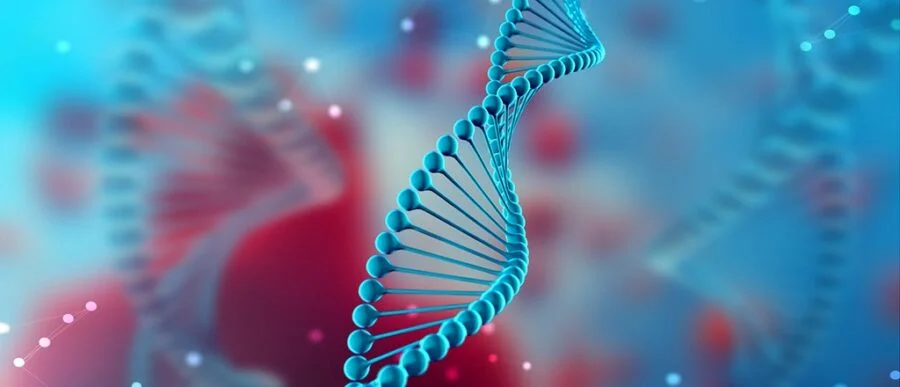
From the above it can be deduced that from a biological perspective the genetic heritage of the human species, composed of the double helix structure of DNA, constitutes the common basis for all the beings we know as “human beings”;This heritage enables both the uniqueness of individuals and what unites them to their background.Although this approach to the consequences of genetics is superficial, it may be enough to get an idea of the scope of this type of intervention on these hereditary materials, on individual beings, on the species itself.
2.Since then, voices began to be heard demanding “responsibility” from scientists; politicians have been asked to draw “limits” between what is convenient and what is undesirable.
The response that scientists have given given regarding the appropriation of the human genome is not univocal as exemplified by the following information.In 1987, the American Technology Assessment Agency (OTA) alluded to the possibility of the American Congress declaring that “every cell line would be considered in the public domain, thus preventing anyone from claiming a property right over those materials.”In 1988, the Committee on Mapping and Sequencing the Human Genome of the US National Research Council spoke in the same direction, stating that “the sequences of the human genome should be in the public domain and therefore should not be subject to Copyright".This position contrasts with that maintained by the ad hoc Committee on DNA Technology of the American Society of Genetics, which stated: “DNA deposited in a DNA bank belongs to the provider, unless the provider has provided otherwise.”(11) ) These scientific expressions reveal the existing polarity regarding the protection of the natural heritage of the human species.For some, this heritage should be in the public domain and for others, on the contrary, private.
Government bodies also responded to this social problem by calming the population’s concerns and channeling their demands created commissions of experts: National Bioethics Commissions and at the same time gave free rein to the creation of ethics committees in hospital instances.(12-13) A little later, legislative initiatives in charge of regulating this new type of trafficking proliferated;although they have also contributed to legitimizing these avant-garde practices in the face of pressure to deny them carried out by fundamentalist ideological groups.In this type of initiatives, the Spanish State has been a pioneer if we remember the regulation of Assisted Human Reproduction Techniques.(6)
This line has also been followed by the Council of Europe, which, from In 1982, it began to publish Recommendations on various legal aspects of the biogenetics of human genetic heritage.Specifically, these recommendations are aimed at: genetic engineering (1982), the use of human embryos and fetuses for diagnostic, therapeutic, industrial and commercial purposes (1986), prenatal genetic screening, prenatal genetic diagnosis and the corresponding genetic counseling (1990). ), the use of deoxyribonucleic acid (DNA) analysis within the criminal justice system (1992), genetic analysis and screening for healthcare purposes (1992), the protection and patentability of material of human origin (1994 ), screening as an instrument of preventive medicine (1994) and xenotransplants (1997).Finally, the Council of Europe has promoted the Convention on Human Rights and Biomedicine,(14) which came into force in December 1999 and in Spain in January 2000.
3.The “common heritage of humanity” in the international Declarations.
The Universal Declaration of Human Rights (1948) proclaims: “All men are born free and equal in dignity and rights” (art. 1).The Preamble to this declaration also states: “Recognition of the inherent dignity (…) of all members of the human family is the basis of freedom, justice and peace in the world.”
In these recommendations we can already see a first remote antecedent of what would be the trajectory that would culminate with the approval of the Convention, precisely in the matter that we are addressing in relation to it: the express mention of the right to a genetic heritage unaltered, which should be incorporated as a human right into the European Convention of 1950.
This Declaration has been followed by others reaffirming that the inherent dignity of the human person is the source of all rights.This is the reason why in 1982 a Recommendation of the Parliamentary Assembly of the Council of Europe on genetic engineering indicated that the inherent dignity of the person is related to the notion of the “right to inheritance” giving access to a genetic heritage that has not been experienced no manipulation, except for therapeutic purposes and in cases of serious illnesses.(15) Later (1986) the Parliamentary Assembly of the Council of Europe,(16) reaffirmed the right to genetic heritage not manipulated except for therapeutic purposes.This last recommendation also proposes the prohibition of cloning, sex selection for non-therapeutic purposes, the creation of chimeras, fertilization between different species and other genetic manipulations that do not have therapeutic purposes.
The Convention on “Human Rights and Biomedicine” signed by the Council of Europe attributes great importance to biogenetics, as proven by the fact that a specific chapter has been dedicated to it, the fourth under the heading “Human Genome”.“It has the legal form of a Convention, which means that it is obligatory for the States that are part of it, once they have signed and ratified it;
2.Its scope is international-regional;
3.It is an open agreement.In other words, the possibility is contemplated that it can be signed not only by the member states of the Council of Europe, but also by any other state on the planet;
4.It is a framework Convention, that is, the development of its principles will be carried out through protocols on specific matters;
5.The object of the Convention: are human rights in relation to advances in biomedicine, that is: they express a specific facet of human rights in the face of possible new forms of aggression to the body of human beings.
Regarding the Protection of these explicit rights, the Convention indicates that it will be carried out by the Member States themselves through jurisdictional channels and through the modification of domestic legislation and the establishment of appropriate sanctions (criminal and non-criminal). ).It is striking that the European Court of Human Rights has not been entrusted with any jurisdictional guardianship function (unlike what occurs with the human rights recognized in the 1950 Convention).The European Court is exclusively assigned the task of interpreting the Convention at the request of the authorities provided for in the text itself (art. 29).It must be recognized that it is a certainly poor function, or if you will, ineffective, although there would always be the possibility of resorting to this Organization if the rights included in the 1950 Convention were affected.
No However, it does not follow from these calls for national governments to legislate in favor of the genetic heritage of the “person” that they speak or suggest that there is anything resembling a collective “right” to the inheritance of the common genetic heritage.In this sense, the Convention says: “The Parties to this Convention shall protect the dignity and identity of every human being and guarantee to every person, without discrimination, respect for their integrity and their other fundamental rights and freedoms with respect to the applications of biology and medicine” (art. 1).As can be seen, the reference to subjects always refers to the holders of “individual rights”.
In general terms, the content of this Convention coincides with the subsequent UNESCO Declaration regarding the genome and rights. humans:(18)
Object, structure and characteristics of the Declaration.The main objective is “the protection of human rights in relation to the human genome.”Regarding the structure, the Declaration begins with a preamble that is distributed in six recitals to which twenty-five articles are added, grouped in seven sections.Very significant matters have found a place in it as objects of protection: “the recognition of the intrinsic dignity and diversity of all members of the human family, as well as the proclamation that, in a symbolic sense, the human genome is the heritage of humanity.” humanity";also the principle of individual autonomy, through the requirement of the consent of the interested party and the right to decide whether or not to be informed of the results of a genetic examination and its consequences, non-discrimination based on genetic characteristics, confidentiality, solidarity between peoples.
As seen, this Declaration has opted for the typical form of International Law: “that of a Declaration, which has made it possible to give greater agility and speed to the preparatory work and to its final formal approval.The use of the form of a Declaration has been little used by UNESCO, which gives it greater solemnity and, despite lacking a binding form, also gives it greater moral force.”(17) This brief analysis is sufficient. to verify the general sense from which “rights” are contemplated, namely: from the strictly individual point of view, although the Declaration contains language loaded with ambiguity.
4.The language of “rights” and its extension to collective rights
At this point in the reflection, some conclusions can be drawn in relation to the human genome and collective human rights:
1.In accordance with the advances in genetic science, the genome of the human species contains the possibilities from which specific beings are individuated and the basis of the genetic inheritance of future generations.In accordance with these scientific findings, the letter of the national and international Declarations and Conventions state that “The human genome is the basis of the fundamental unity of all members of the human family and of the recognition of their intrinsic dignity and diversity.According to the stage of biogenetic knowledge, aided by technology, it is known that certain interventions on this material put at risk the transmission of this heritage to future generations and this would represent an attack on human dignity.With this perspective, the Council of Europe says: “An intervention that aims to modify the human genome may only be carried out for preventive, diagnostic or therapeutic reasons and only when its purpose is not the introduction of a modification in the genome of the offspring.”This document prohibits intervention on the genome for “sex selection, research on embryos, generically, cloning for reproductive purposes.”(14)
If biogenetic practices and the content of the Convention approved by the Council of Europe and the UNESCO Declaration, one may think that the right to an unmanipulated genetic heritage is already protected and that as it is, the matter can be subjected to treatment as a “collective right.” .However, that would be a hasty opinion because, first, these documents do not address the issue of the genome as a “collective right”;secondly because it does not follow from their respective contents that non-manipulation of the bases of genetic inheritance is guaranteed and, finally, because I consider that the issue of collective rights cannot be subjected, without further clarification, to the same treatment. theoretical than individual rights.Let’s look at this in more detail.
As we mentioned previously, these international documents pay special attention to the problems related to genetic manipulation and the risks that this can cause to specific individuals;It may affect them indistinctly due to a diagnosis, therapy or in relation to assisted reproduction.Although it is stated that the treatments should not affect the germline genetic line because this intervention would cause changes in the offspring.However, it does not follow from these recommendations that they postulate the existence of collective rights.Furthermore, if we stick to the literal tenor of these documents, especially the Declaration, when it says that “In a symbolic sense, the human genome is the heritage of humanity” we find that this expression contains a sophistry;sophistry related to the inadequacy of attributing symbolic meaning to the principle that identifies a species when, in any case, if that adjective is possible, it should be applied to the expression “heritage of humanity.”
Definitions Legal concepts of “heritage” receive different interpretations depending on whether they are carried out from private law, public law or international law.Thus, for private law "children have a collective right to paternal and maternal heritage."(18) Also in public law there is a right of collective freedom to unionize, belong to a religious denomination, to the protection of collective cultural heritage, etcAnother legal interpretation is found in international law and is related to the notion of property or common interest of humanity.(19) Along these lines, we can cite the different conventions and agreements on marine waters and on the common cultural and cultural heritage. nature of humanity.All of them recognize the contribution and necessary interest of different peoples in this type of heritage and the need to share and protect it.In this sense, some international conventions use the term “cultural property belonging to all peoples” and by extension the same title of common heritage of humanity has been applied to “biological genetic inheritance.”
Genetic, biological inheritance as such, has also been included by international law, in the concept of the common heritage of humanity.However, until now its interpretation has been limited to the protection of flora and fauna, that is, animal and plant species in danger of disappearing.This protection has been based on the fear that the creation of new microorganisms, hybrids or synthetic organisms could lead to the disappearance of living beings existing in nature.Traditionally, plants and animals have been considered res nullius, which can be appropriated by everyone and susceptible to destruction;These possibilities have required their protection and administration in the name of the common interest.Humanity in its global sense then offers the guarantee of its sources, although international organizations need to be able to define principles that bind all States.It is said that protection against degradation and overexploitation is both transnational and timeless to the extent that it affects future generations, although as everyone knows, “Humanity” disappears and with it the written guarantees.
However, in practice, apart from the protection ensured by individual States, such as for cultural heritage or the environment, the lack of clarity of the notion of “common heritage of Humanity ” makes legal obligations between nations extremely problematic.The relationships between the right to inherit a genetic heritage, the inherent dignity of the human person and the definition or precision of a legal form of protection are issues that cannot be dissociated but require an approach based above all on a debate on the intended genetic rights.
To the traditional difficulties that international law offers to protect what may be the “common heritage of humanity” are added in the case of the human genome, others of a political and linguistic nature. as will now be seen here.
The multiple possibilities that biotechnological intervention on the human genome has opened up pose new problems for us regarding the exercise of individual rights (problems that have received abundant treatment, as attested by (the abundant bibliography that exists on the subject).And at the same time, these new interventions on the genetic endowment of specific beings represent a new challenge with respect to collective rights.In accordance with the reality of science, two lines of action are manifested: one that goes from the community to the individual and the other that goes from the individual to the human species, in its humanity.Or put another way: the rights to be protected are, on the one hand, those of the person in each individual – an individual being – and, on the other, those of Humanity in the human species.This dialectic will provide a solution to the exclusive approaches held by “individualists” and “communitarians”.
Conceptual difficulties.This type of obstacles can be divided into two sections depending on whether they affect notions of “delimitation” in light of the new developments presented by biogenetics and/or according to whether the concept of “collective rights” is intended to be placed in the same language as rights. individual humans.
Furthermore, it could be difficult to apply this notion to the domain of human genetics, since the human genome (individual but also collective) should be considered at first as res communis and as res nullius;that is, unappropriated or nobody’s things, which anyone can appropriate.
The concept of “common heritage of humanity” initially presents a lack of definition when applied to the human genome. Should it be considered? res communis or res nullius?;That is to say, is the human genome unappropriate or property of each individual?And if so, based on what principle justify that possible definition.In short, it would be about determining in which cases the individual subject can freely decide what to do with his or her genetic heritage, whether in diagnosis, therapy, reproduction or cloning, and what interventions can be prohibited for the benefit of the common heritage of the species and generations. future.
Although in the face of a traditional individual right, such as the right to life, or to bodily integrity, or to freedom of conscience, etc.It is more or less possible to determine in this regard who the subject is, its content and who has the duties corresponding to it, in the case of the human genome things are not so clear.And this because the subject
.


Leave a Comment