
The Silent Struggle: Exploring the Origins and Impact of Hemorrhoids

Hemorrhoids, commonly known as piles, are swollen blood vessels in the lower rectum or anus. This condition, which has affected humanity for centuries, causes discomfort, pain, and inconvenience. The causes of hemorrhoids are varied and often related to increased pressure in the lower rectum. Factors such as chronic constipation, straining during bowel movements, prolonged periods of sitting, obesity, pregnancy, and a low-fiber diet contribute to their development. Understanding these causes is essential for grasping why hemorrhoids are so common and how they impact daily life.
The consequences of hemorrhoids can range from mild to severe, significantly affecting quality of life. Symptoms include itching, pain, swelling, and bleeding during bowel movements. In more severe cases, hemorrhoids can lead to complications such as anemia from chronic blood loss, or a strangulated hemorrhoid, where the blood supply to an internal hemorrhoid is cut off. These complications require immediate medical attention and can lead to more invasive treatments. The social and psychological impact of hemorrhoids should not be underestimated, as embarrassment and persistent discomfort can affect overall well-being.
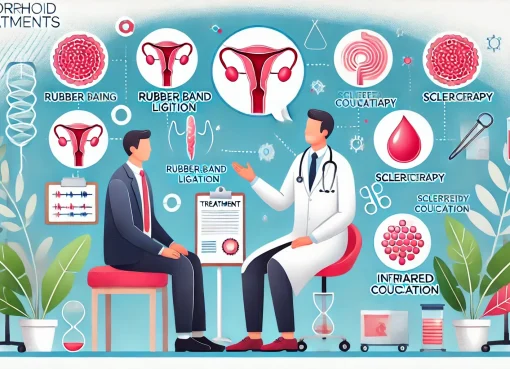
Historically, the understanding and treatment of hemorrhoids have evolved significantly. Ancient Egyptian papyri, dating back to around 1700 BCE, contain some of the earliest references to hemorrhoid treatments, including the use of herbal remedies and surgical procedures. Greek physician Hippocrates described various treatments, such as cauterization. During the Middle Ages, more advanced surgical techniques were developed, although they were often rudimentary and carried significant risks. In the modern era, advancements in medical science have led to a variety of treatment options, ranging from over-the-counter creams and medications to minimally invasive procedures like rubber band ligation, sclerotherapy, and infrared coagulation. In severe cases, surgical interventions such as hemorrhoidectomy or stapled hemorrhoidopexy are employed to provide relief.
The journey of hemorrhoid treatment has been marked by significant milestones. The discovery of anesthetics and antiseptics in the 19th century revolutionized surgical approaches, making them safer and more effective. The introduction of high-fiber diets and lifestyle modifications has also played a crucial role in managing and preventing the condition. In recent years, advancements in imaging technology have improved the accuracy of diagnoses, while innovations in minimally invasive techniques have reduced recovery times and increased the success rates of treatments. Ongoing research and development in this field promise even better outcomes for patients, with studies exploring genetic factors that may predispose individuals to hemorrhoids and the potential for novel therapeutic approaches.
Despite these advances, hemorrhoids remain a prevalent issue worldwide. According to the American Society of Colon and Rectal Surgeons, approximately 75% of people will experience hemorrhoids at some point in their lives. This high prevalence underscores the importance of continued research and education to better understand and manage this condition. The impact of hemorrhoids on individuals and healthcare systems necessitates a multifaceted approach, combining medical treatments, patient education, and lifestyle modifications to achieve optimal outcomes.
In conclusion, hemorrhoids are a common yet often misunderstood condition with a long history and significant impact on affected individuals. From ancient herbal remedies to modern surgical techniques, the evolution of hemorrhoid treatment reflects advancements in medical science and our growing understanding of this ailment. As research continues to shed light on the causes and consequences of hemorrhoids, the future holds promise for more effective and less invasive treatment options, ultimately improving the quality of life for millions of people worldwide.


Leave a Comment